OM MANGANESE
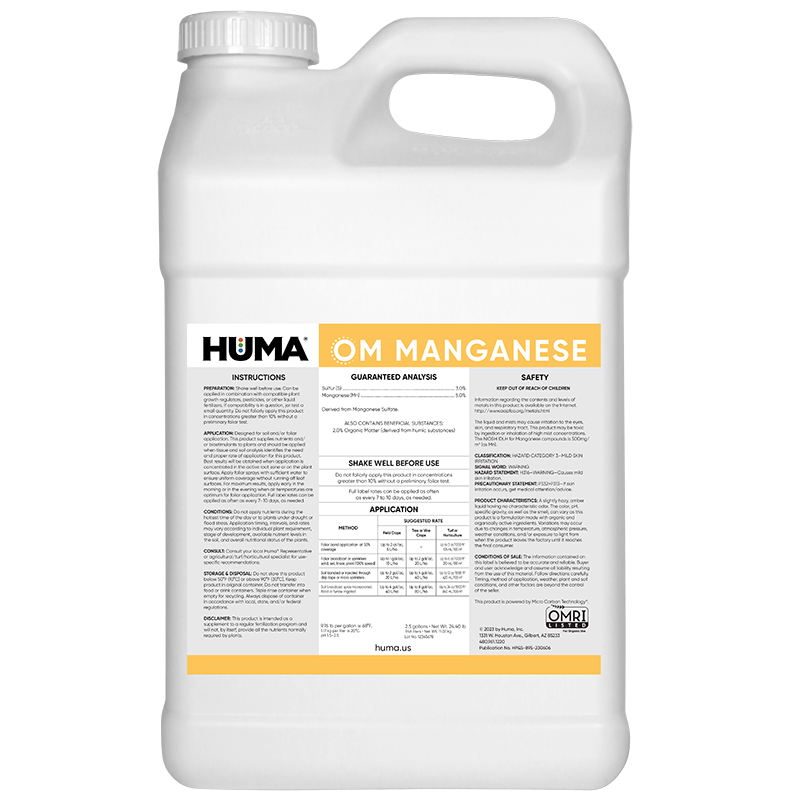
Benefits of Use:
- Effectively treats manganese deficiency symptoms
- An enzyme activator that aids in chlorophyll synthesis
- Closely associated with the micronutrients copper and zinc
- Activates the lipid enzymes
- Essential for assimilation of carbon dioxide in photosynthesis
- Functions in the formation of riboflavin, ascorbic acid, and carotene
- Improves formation of lateral roots
- Provides quick crop response and can be applied just prior to actual crop need
- Can be applied foliarly (according to label directions) without risk of phytotoxicity
- Can be effectively tank-mixed with other organic crop inputs
- Resists tie-up in the soil and remains available through the plant root system
Deficiency Symptoms-When to Apply:
- Chlorosis and/or mottling due to manganese deficiency
- Plants may be pale green to yellow-red in color between green veins on soybeans, tomatoes, and beets
- Tips of small grains turn gray to white (gray speck in oats)
- In neutral to alkaline soils high in calcium and in organic soils where manganese is
less available
FAQs
Related Case Studies

Huma Pro® Stimulates Rhizophagy Cycle of Microbes to Increase Root Growth
Objective The purpose of this research project was to evaluate how humic acids stimulate microbial activity and initiation of the rhizophagy cycle (in which plants cultivate microbes on their roots and then absorb them to extract their nutrients). Huma® Huma Pro®, a liquid 6% humic acid product, was used as the humic acid biostimulant source.
Huma® Fertil Soil® Increases Cotton Yield 16%, With 265% ROI
Background Application of Fertil Soil® to soils in combination with other Huma® fertilizers at various locations previously resulted in crops with improved plant growth and higher yields. Applying Fertil Soil® as a single product application or with grower standard products to soil and plants could also impact results. Objective The focus of this study was

Promax® Controls Nematodes for English Boxwood Ornamental Plants
Objective This two-year trial aimed to assess the suppression effects of Promax® and 2 types of beneficial nematode treatments (S. feltiae and S. riobrave) versus a control on plant-parasitic nematodes (Stunt, Lance, Ring, and Spiral) for English Boxwood (Buxus sempervirens L. var. suffruticosa) ornamental plants. Materials & Methods Each experimental unit consisted of 2 English





Related Blog Posts

This Week in Ag #84
Grandpa Fred never saw me. Despite the fact I was at his house nearly every day for over two decades. That’s because he was blind. From a farm accident. An anhydrous hose burst and shot the gas in his eyes.
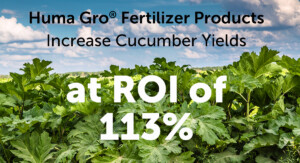
Huma Gro® Fertilizer Products Increase Cucumber Yields at ROI of 113%
The Huma Gro® fertilizer treatment increased the cucumber yield by 2% (8 bushels per acre) over the Check, with a return on investment (ROI) of 113%.

This Week In Ag #95
Fans of the animated Christmas classic “The Year Without a Santa Claus” will undoubtedly recall Heat Miser and Snow Miser, the bickering siblings who controlled weather patterns. Their outright refusal to cooperate with one another forced Mrs. Claus to go over their heads and see Mother Nature when she desperately needed snow to fall in
Related Products
HUMA PRO 16
HUMA PRO® 16, carbon-complexed with Micro Carbon Technology®, is an activated liquid humic-acid source derived from a highly oxidized, aturally...

OM IRON
Carbon-complexed with Micro Carbon Technology®, OMRI-Listed® OM IRON is an organic iron nutrient derived from ferrous sulfate (Fe 5.0%, with...
FERTIL SOIL
Huma's FERTIL SOIL® is carbon-complexed with Micro Carbon Technology® improves soil structure and feeds the beneficial bacteria activity in the...