
FAQs
Related Case Studies

Bio Energizer® Toxicity Testing
Abstract Bio Energizer® is frequently used to facilitate bioremediation of wastewater. A study was conducted by an independent laboratory to measure possible negative effects Bio Energizer® might have on a freshwater test species (rainbow trout). Using EPA-approved methodology to evaluate Bio Energizer®, the lab administered the product at 10 ppm to a test tank and
Bio Genesis® Reduces Foam and Increases Stability at Arizona Municipal Wastewater Treatment Facility
Problem A municipal wastewater treatment facility in Arizona uses an activated sludge system with 4 oxidation ditches to treat approximately 9 million gallons per day. The system frequently experiences intermittent foaming and settling issues. The operator was looking for a solution to the foaming and settling issues that would also provide operational stability throughout the
Bio Energizer® Reduces Costs and Turbidity in Paperboard Lagoons at Kentucky Papermill Wastewater Facility
Problem A paper mill wastewater facility was treating 940 tons of paper bags, recycled linerboard, and corrugating medium, daily. The mill was interested in improving wastewater operating efficiency and lowering operating expenses over their standard polymer usage. The plant was experiencing filamentous bacteria, solids, and bulking issues in the final clarifier. It was discharging 4,000
Related Blog Posts

Introducing New Humic Conversations Video Series
We are excited to introduce our new educational project, the Humic Conversations Video Series. As the name suggests, each episode of the series will focus on humic substances. Two leading researchers from our Humic Research Lab. Dr. Rich Lamar and Dr. Hiarhi Monda will share their expertise with the viewers. In Episode 1 of this

Webinar Video: Lagoons Under the Surface
Webinar video highlights key findings—including $6M in savings—from a year-long bioremediation program for lagoon sludge reduction at a municipal wastewater treatment plant. In this 31-minute video, Heather Jennings, PE, Director of Probiotic Solutions®, and Diego Lopez, Chief Plant Operator for the City of Lemoore, Calif., Wastewater Treatment Plant discuss highlights from the year-long study of

The Probiotic Solutions Product Quality Assurance Process
Related Products
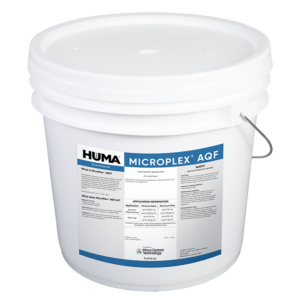
MicroPlex® AQF
Huma® MicroPlex® AQF is a formulation of aerobic and facultative bacteria and flocculant aids. The microorganisms are specifically chosen for their ability...
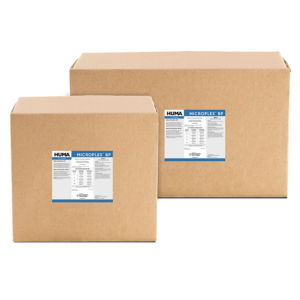
MicroPlex® BP
Huma® MicroPlex® BP comes in rugged, submersible solid forms (cakes) that slowly dissolve in a flow stream and release safe, naturally...
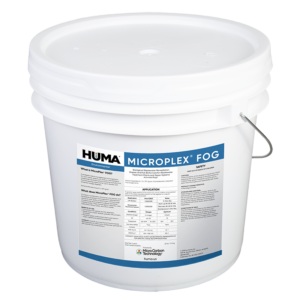
MICROPLEX FOG
Huma's MICROPLEX® FOG is a synergistic blend of preselected microorganisms for use in sewer systems, lift stations, and biological wastewater treatment plants...