
FAQs
Related Case Studies

Bio Energizer® Reduces Costs and Turbidity in Paperboard Lagoons at Kentucky Papermill Wastewater Facility
Problem A paper mill wastewater facility was treating 940 tons of paper bags, recycled linerboard, and corrugating medium, daily. The mill was interested in improving wastewater operating efficiency and lowering operating expenses over their standard polymer usage. The plant was experiencing filamentous bacteria, solids, and bulking issues in the final clarifier. It was discharging 4,000
Bio Energizer® Reduces Sludge at Small Municipal Facility
Problem A small town in Utah (pop. 1,800) had a municipal wastewater system with a flow rate of 192,000 gallons per day. The system included a series of four lagoons that tapered to a depth of 6 feet, although at this time only Ponds 1 and 2 were being evaluated for treatment as they were
Bio Energizer® Reduces Sludge 45% In One Year, Saves Municipal Plant $6 M In Dredging Costs
Summary In this study, a one-year bioremediation plan featuring Bio Energizer® was implemented for a municipal wastewater treatment facility with 2 primary lagoons in which sludge depths had reached 5–7 feet. The lagoons were at risk of upset and wastewater processing capacity was reduced. Sludge levels were measured at baseline and quarterly. Sludge depth was
Related Blog Posts

Breaking Down COD
By Heather Jennings, PE When I first came into the water field in the 2000s, the general rule of Chemical Oxygen Demand to Biochemical Oxygen Demand (or COD to BOD5) was 2:1. That was pretty much all you needed to know in order to understand whether something could be treated chemically, physically, or biologically. Now, the wastewater industry has moved toward COD instead of BOD5. The reason that COD is

Municipal Wastewater Solutions
Experience the world’s most efficient wastewater remediation products, for operational stability of municipal wastewater treatment plants.
Your Wastewater System Runs Smoothly, Until It Doesn’t!
By Heather Jennings, PE The first thing I usually hear from operators is that they don’t have any problems! Everything runs perfectly, all the time, until it doesn’t. Then the heartburn, extra hours, and long days begin. The only other thing as sure as death and taxes for a wastewater system is that it will
Related Products
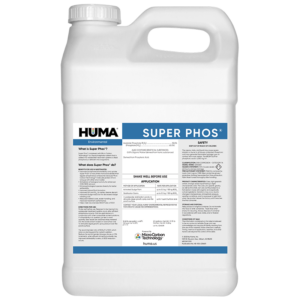
Super Phos (HE)
Huma® Super Phos®, complexed with Micro Carbon Technology®, is a liquid phosphate nutrient that is added into wastewater treatment systems to...
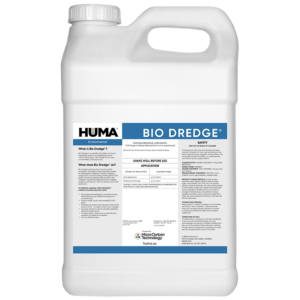
Bio Dredge
Huma® Bio-Dredge®, complexed with Micro Carbon Technology® (MCT), is a probiotic formulation of organic acids, natural biological systems, buffers, nutrients, and energy...
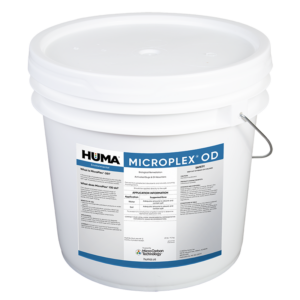
MICROPLEX OD
Huma's MICROPLEX® OD is a fine powder of preselected absorbents and naturally occurring microbial strains that is formulated for use on...