
FAQs
Related Case Studies

Bio Energizer® Toxicity Testing
Abstract Bio Energizer® is frequently used to facilitate bioremediation of wastewater. A study was conducted by an independent laboratory to measure possible negative effects Bio Energizer® might have on a freshwater test species (rainbow trout). Using EPA-approved methodology to evaluate Bio Energizer®, the lab administered the product at 10 ppm to a test tank and
Super Phos® Lowers Papermill Operating Costs in China
Problem The existing wastewater treatment system uses 600 kg/day of diammonium phosphate (DAP) to provide the needed phosphorus concentration to maintain a healthy microbial population to treat wastewater. These microorganisms break down the organic matter being discharged from the paper processing facility. Without the correct concentration of available phosphorus, the microorganisms are unable to grow
Bio Energizer® Reduces Sludge at Small Municipal Facility
Problem A small town in Utah (pop. 1,800) had a municipal wastewater system with a flow rate of 192,000 gallons per day. The system included a series of four lagoons that tapered to a depth of 6 feet, although at this time only Ponds 1 and 2 were being evaluated for treatment as they were
Related Blog Posts

Land-Applied Sewage: Do Farmers Benefit from Recycled Sewage?
While controversial among activists and consumers, land application of septic and sewage sludge is not a new practice. Farmers have been land-applying raw sewage––at one time called "Night Soil"––to fields and crops for centuries.
EARTH DAY 2020: Celebrating 50 Years
Fifty years ago today, on April 22, 1970, 20 million Americans took to the streets to protest environmental destruction and to celebrate the wonders of Planet Earth. The basic message was that we had to find new ways to live our lives, raise our food, and conduct our businesses that were environmentally friendly and sustainable—that

BHN Sponsors Online Course on Sustainable Organic Agriculture Production
To help increase awareness about sustainable agriculture production, Bio Huma Netics, Inc., (BHN) is sponsoring a FarmProgress course for Certified Crop Advisers (CCAs) and Pest Control Advisers (PCAs) in the United States and Canada. This free online continuing education course, titled “Organic/Sustainable Agriculture Production -2022” aims to help working professionals learn about sustainable farming practices
Related Products
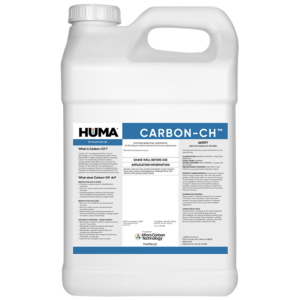
Carbon-CH™
The Solution for Denitrification and Phosphorus Removal In Wastewater and Contaminated Soils Huma® Carbon-CH™ complexed with Micro Carbon Technology® is an activated...
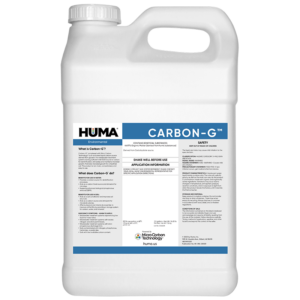
Carbon-G™
The Solution for Denitrification and Phosphorus Removal In Wastewater and Contaminated Soils Huma® Carbon-G™, complexed with Micro Carbon Technology®, is an activated...
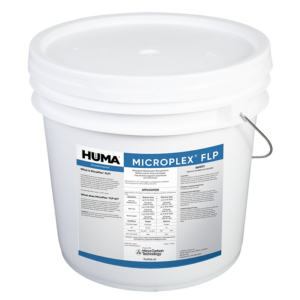
MICROPLEX FLP
Huma's MICROPLEX® FLP is a synergistic blend of preselected, adapted microorganisms and enzymes for use in facultative lagoons and ponds receiving municipal,...