
OM COPPER
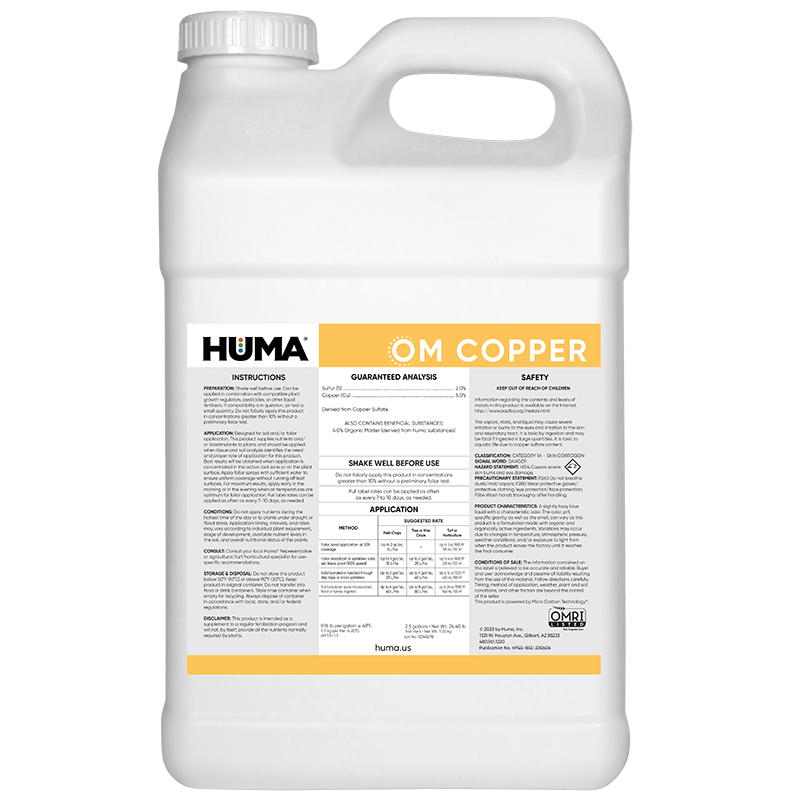
Benefits of Use:
- Effectively treats copper deficiency symptoms
- Provides quick crop response and can be applied just prior to actual crop need
- Can be applied foliarly (according to label directions) without risk of phytotoxicity
- Can be effectively tank-mixed with other organic crop inputs
- Increases enzyme activity in the metabolism of plants
- Has a regulatory effect when soil nitrogen is high
- Has a role in the production of Vitamin A and functions in chlorophyll formation
- May be used with sulfur to improve plant tolerance of environmental stresses
Deficiency Symptoms—When to Apply:
- Young leaves become wilted, chlorotic, and twisted, followed by withering and dying
- Plants show a half-dwarfing effect with an inward rolling of leaves that develop a blue-green appearance
FAQs
Related Case Studies

Huma® Program Increases Sweet Potato Yields 39%, With a 10:1 ROI
Objective This field trial was conducted in order to compare sweet potato crop yields and return on investment (ROI) obtained when a Huma® soil product (Zap®, for feeding soil biology and improving soil fertility) and 2 applications of 3 Huma® foliar nutrients (Jackpot®, Calcium, and Super Potassium®) were applied in various combinations. Materials & Methods

Huma® X-Tend® Increases Corn Yield With 5:1 ROI
Background X-Tend® mixed with other fertilizers applied to specific crops has enhanced results with improved plant growth and higher yields. Combining X-Tend® with grower standard products applied to soil and when applied as a single product foliar application could also impact results. Objective The focus of this study was to observe if X-Tend® as a
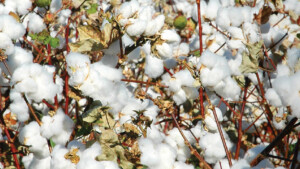
Huma® Fertil Soil® Increases Cotton Yield 16%, With 265% ROI
Background Application of Fertil Soil® to soils in combination with other Huma® fertilizers at various locations previously resulted in crops with improved plant growth and higher yields. Applying Fertil Soil® as a single product application or with grower standard products to soil and plants could also impact results. Objective The focus of this study was



Related Blog Posts

Cherry Blossoms: A Sight to See
Cherry Blossoms: A Sight to See! Konnichiwa! This Week in Ag comes to you this week from Japan. I’m here for my son’s wedding. My new daughter chose this time of year to align with the famous blooming of the cherry blossoms. These Sakura trees provide amazing backdrops for wedding photos. You may have heard about Japan’s cherry blossoms and perhaps seen pictures online or on travel shows. But let me be clear: these do not do the flowers justice. The sights are awe-inspiring. Gardens, parks, temples, river banks and streets lined with Sakura trees provide spectacularly scenic backdrops. Pedals blow in the wind like gentle snowfall. A unique feature of some Sakura trees is their ability to bloom before leaves emerge, which further emphasizes the flowers.

The Freight Goes Both Ways
Diesel prices are hitting record highs just as harvest season gets underway. From running combines and tractors to hauling grain and delivering farm inputs, rising fuel costs are adding pressure at nearly every turn.

The President Who Planted the Future
Before he led a nation, Abraham Lincoln worked the land. This week, we look back at how a farm kid’s firsthand understanding of agriculture helped shape policies, institutions and opportunities that still influence American farming today.
Related Products
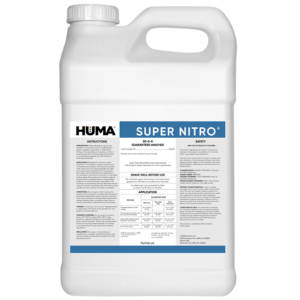
SUPER NITRO
SUPER NITRO®, carbon-complexed with Micro Carbon Technology®, is a nitrogen source that can be foliar-applied, according to label directions, without...

SURF-MAX
SURF-MAX® carbon-complexed with Micro Carbon Technology® is a blend of non-ionic surfactants designed to improve both penetration and lateral movement...
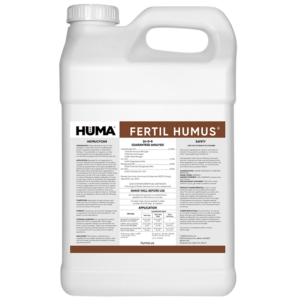
FERTIL HUMUS
FERTIL HUMUS® carbon-complexed with Micro Carbon Technology® has the nutrients necessary to feed beneficial fungal activity in the soil and...