
OM IRON
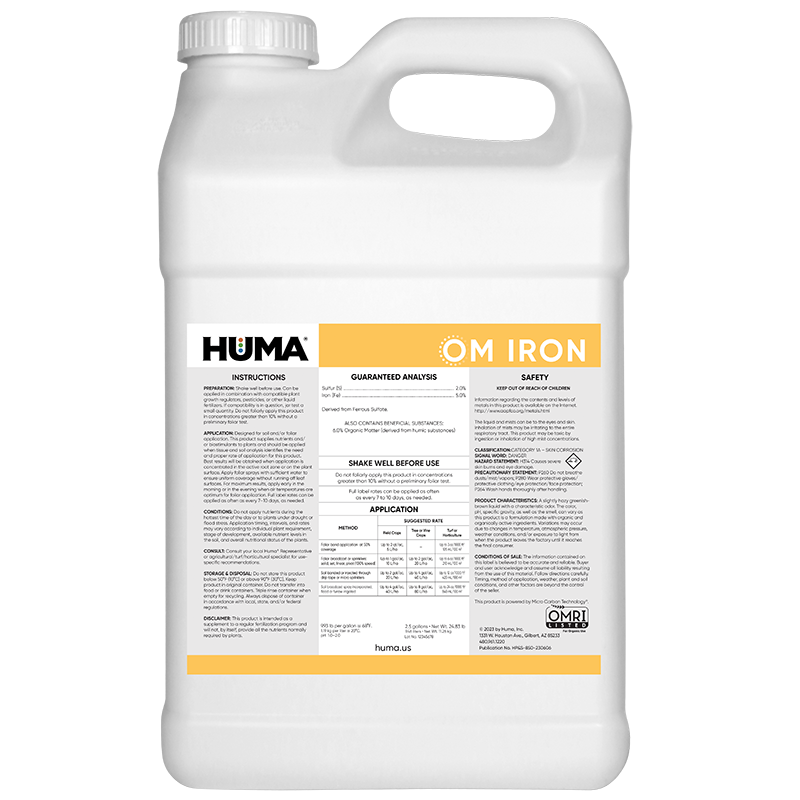
Benefits of Use:
- Relieves chlorotic symptoms of iron-deficient plants
- Provides quick crop response and can be applied just prior to actual crop need
- Can be applied foliarly (according to label directions) without risk of phytotoxicity
- Can be effectively tank-mixed with other organic crop inputs
- Resists tie-up in the soil and remains available through the plant root system
- Iron is required by plants for the formation of chlorophyll
- Iron is a component of enzymes that activate other biochemical processes within plants such as respiration, symbiotic nitrogen fixation, and energy transfer
FAQs
Related Case Studies
Huma® Program Increases Sweet Potato Yields 39%, With a 10:1 ROI
Objective This field trial was conducted in order to compare sweet potato crop yields and return on investment (ROI) obtained when a Huma® soil product (Zap®, for feeding soil biology and improving soil fertility) and 2 applications of 3 Huma® foliar nutrients (Jackpot®, Calcium, and Super Potassium®) were applied in various combinations. Materials & Methods

Huma® Breakout® Increases Processing-Tomato Yield With 8:1 ROI
Objective In this study, the Huma® growth manager product Breakout® was evaluated in terms of its effects on yield and quality of processing tomatoes. Materials & Methods In cooperation with the University of California, processing tomato seedlings were transplanted on a farm in Central Valley of California near Patterson on April 4 and then harvested
Fertil Humus® Soil Amendment Trial for Water Infiltration
Objective This field trial assessed the benefits of moisture infiltration enhancement that may be provided by the product Fertil Humus® at selected rates and timings. Materials & Methods The plot site selected for this trial was located in the southern portion of the Columbia Basin in Washington State. The Russet Burbank potato field was pivot-irrigated


Related Blog Posts

National Ag Day: Celebrating the Trusted Voices of Agriculture
Trust in the mass media has eroded to new lows. A recent Gallup poll reveals that 69% of Americans have very little to no trust in the media. Over the past five decades, the number of people who place a great deal/fair amount of trust in the media has plummeted 40 points. It’s dropped 12 points in the past five years. Fortunately, this is not the case with agricultural media.

Back to ’72: My First Farm Progress Show
In 1972, the Farm Progress Show came to my hometown of Galesburg, Illinois and even to the farm of my family’s closest friends. That year’s show was the biggest in history, drawing over 360,000 people and marking the dawn of U.S. farming’s golden age. Looking back, it was a front-row seat to agriculture’s past, present, and future.

Evaluation of Micro-Carbon Technology-Based P Fertilizer, SUPER PHOS®, in Spring Wheat
Related Products
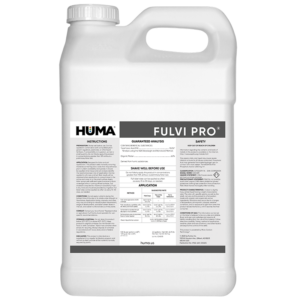
FULVI PRO
FULVI PRO®, carbon-complexed with Micro Carbon Technology®, is an activated liquid fulvic acid source derived from highly oxidized humic substances....
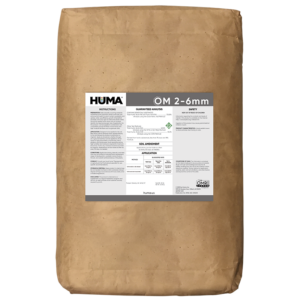
OM 2-6 mm
Huma's OM 2–6 mm is a natural humic and fulvic acid product processed from naturally occurring, oxidized humic substances. It provides...
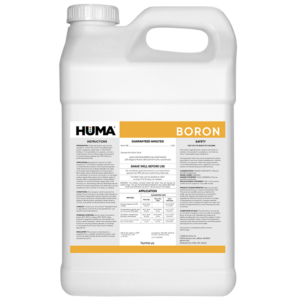
BORON
Huma's BORON is carbon-complexed with Micro Carbon Technology®, ensures efficient and effective uptake of boron, which is required for cell...