
FAQs
Related Case Studies

Huma® OM Liquid HA 16 With Micro Carbon Technology® Improves Spring Wheat Yield With 60% Increased ROI
Background Humic substances have been shown to improve crop yield. Solid and liquid forms of humic substances with high levels of organic acids can be produced by incorporating Micro Carbon Technology®. Some are suitable for conventional and others for organic farming. Huma® OM Liquid HA 16, OMRI-Listed for organic farming, is a liquid form of

Fall Soil Application of Fertil Humus® Increases Illinois Corn Yield and ROI
Background Feeding beneficial soil fungal activity can enhance aerobic decomposition of organic matter and build a humus-rich soil that releases nutrients tied up in crop residues. This can positively impact crop yield and lead to a higher return on investment. Objective The objective of this study was to observe how a fall application of Huma®

Huma® Organic Fertilizers Easy to Use, Improve Yield on Organic White Corn
Objective The objective of this field trial was for the grower to evaluate the ease of use and the effectiveness of 4 OMRI-Listed liquid Huma® organic crop nutrition products based on known field deficiencies. Materials & Methods The organic producer provided 2 80-acre plots of organic white corn in eastern Nebraska that was at the


Related Blog Posts

Why Corn and Soybeans Rule American Agriculture
Corn and soybeans dominate American agriculture for good reason. From production and harvest to transportation, markets and government incentives, an entire system has developed around these two crops. But what keeps the Big 2 at the top?

The Fertilgold Organics Product Quality Assurance Process

This Week in Ag #69
As we celebrate National Dairy Month, my thoughts are with Jack & Frances Watt, my old neighbors (when you live in the country, a “neighbor” can reside within at least 5 miles of you) who were dairy farmers. They were among the hardest working, kindest people I’ve ever known. Vacations were a foreign concept to
Related Products
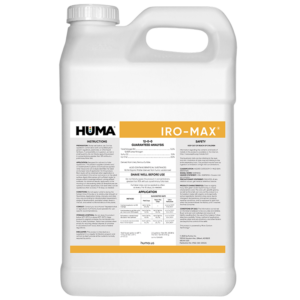
IRO-MAX
IRO-MAX®, carbon-complexed with Micro Carbon Technology®, provides effective and quick iron uptake into the plant. Iron is a key micronutrient...
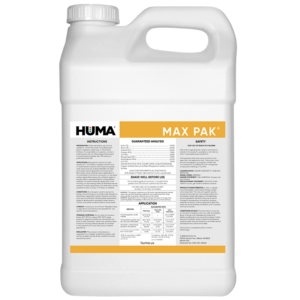
MAX PAK
MAX PAK® is a liquid micronutrient formulation containing a carbon complexed, highly stable source of many important micronutrients. MAX PAK...
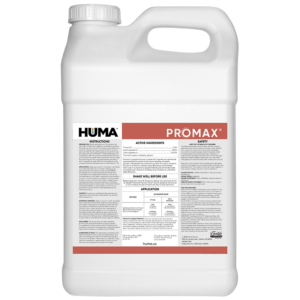
PROMAX
PROMAX® is an OMRI-Listed®, EPA-exempt crop protection product. It is a protective and curative pesticide recommended for control of plant...