
Carbon-G™
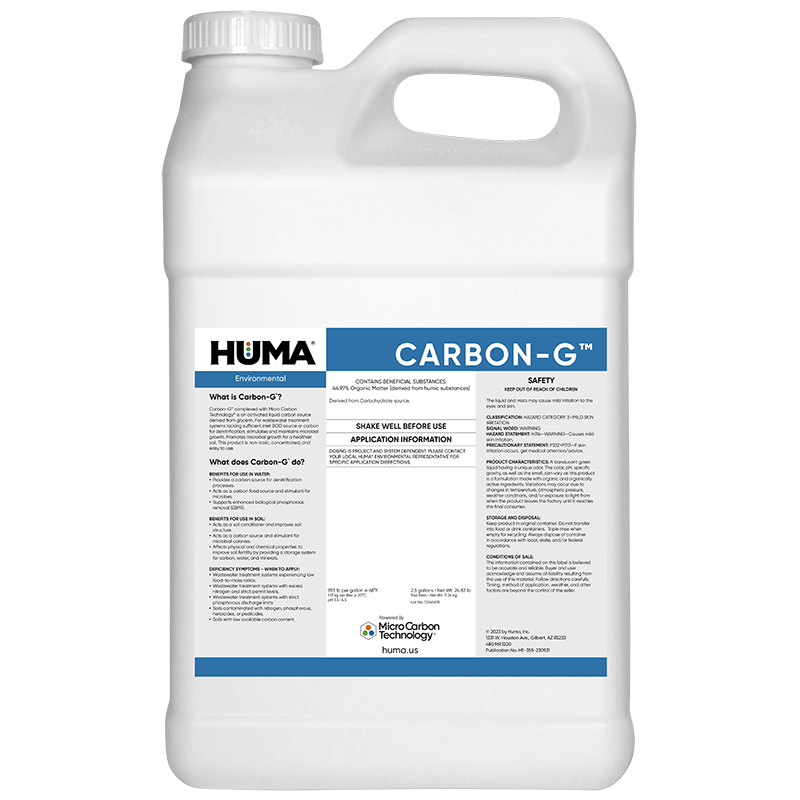
Benefits of Use:
- Provides a carbon source for denitrification processes
- Effective carbon food source (COD/BOD) for systems with high inflow and infiltration (I&I) issues
- Supports enhanced biological phosphorous removal (EBPR)
- Effectively replaces toxic or hazardous carbon sources
- Most rapid microbial acclimation on the market
- Most consistent carbon concentrations on the market
- Lowest carbon degradation on the market
FAQs
Related Case Studies

Super Phos® Lowers Papermill Operating Costs in China
Problem The existing wastewater treatment system uses 600 kg/day of diammonium phosphate (DAP) to provide the needed phosphorus concentration to maintain a healthy microbial population to treat wastewater. These microorganisms break down the organic matter being discharged from the paper processing facility. Without the correct concentration of available phosphorus, the microorganisms are unable to grow
Bio Energizer® Reduces Sludge 45% In One Year, Saves Municipal Plant $6 M In Dredging Costs
Summary In this study, a one-year bioremediation plan featuring Bio Energizer® was implemented for a municipal wastewater treatment facility with 2 primary lagoons in which sludge depths had reached 5–7 feet. The lagoons were at risk of upset and wastewater processing capacity was reduced. Sludge levels were measured at baseline and quarterly. Sludge depth was
Bio Energizer® Toxicity Testing
Abstract Bio Energizer® is frequently used to facilitate bioremediation of wastewater. A study was conducted by an independent laboratory to measure possible negative effects Bio Energizer® might have on a freshwater test species (rainbow trout). Using EPA-approved methodology to evaluate Bio Energizer®, the lab administered the product at 10 ppm to a test tank and
Related Blog Posts
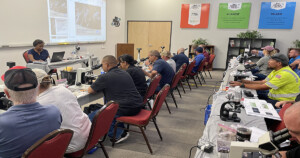
Probiotic Solutions® Hosted Wastewater Microbiology Course in Arizona
By Heather Jennings,Director, Probiotic Solutions® In the last week of August, Probiotic Solutions® hosted a Wastewater Microbiology Course at our headquarters in Gilbert, Arizona. This educational event with Dr. Toni Glymph-Martin, cosponsored by AZ Water Association and Rural Water Association of Arizona (RWAAZ), successfully served its purpose of helping industry professionals learn more about several

Bio Energizer® Cuts Sludge Hauling Costs for Potato Wastewater Treatment Plant
A wastewater treatment plant in Pennsylvania was experiencing process control problems when new potato waste stream flows increased by 26%. The additional load was causing filamentous issues in the sequencing batch reactor (SBR), settlability problems, and increased sludge hauling costs. The engineer was unable to maintain the 8-foot decant level in the sequencing batch reactor

Microorganisms: The Living Engine of Soil—Part 2
In Part 2 of this series, we look at Plant-Microbial Interactions.
Related Products
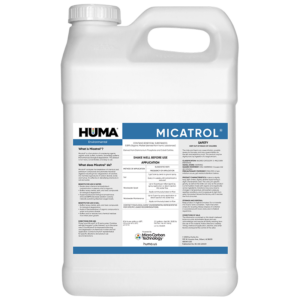
Micatrol®
Huma® Micatrol® is a formulation of complexing agents, organic acids, buffers, nutrients, and energy systems that enhance biological degradation. Micatrol® catalyzes the...
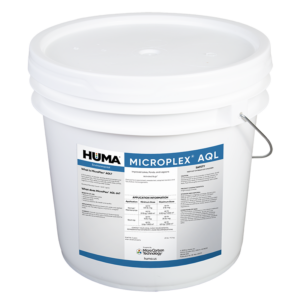
MicroPlex® AQL
Huma® MicroPlex® AQL is a formulation of aerobic and facultative bacteria and flocculant aids. The microorganisms are specifically chosen for their ability...
MICROPLEX HC
Huma's MICROPLEX® HC is a highly concentrated blend of natural bacteria specifically chosen for their ability to metabolize petroleum hydrocarbons and treat...