
FAQs
Related Case Studies

Bio Energizer® Reduces Costs and Turbidity in Paperboard Lagoons at Kentucky Papermill Wastewater Facility
Problem A paper mill wastewater facility was treating 940 tons of paper bags, recycled linerboard, and corrugating medium, daily. The mill was interested in improving wastewater operating efficiency and lowering operating expenses over their standard polymer usage. The plant was experiencing filamentous bacteria, solids, and bulking issues in the final clarifier. It was discharging 4,000
Lagoon Study Shows Sludge Layer Biologically Active and Responsive to Reduction Using Bio Energizer®
Summary In this study, a one-year bioremediation plan was implemented for a municipal wastewater treatment facility with 2 primary lagoons that were at risk of upset and in which wastewater processing capacity was reduced due to an increased sludge layer. Specific changes in strata microbial life were tracked through ATP and DNA analysis at quarterly
Bio Energizer® Reduces Sludge 45% In One Year, Saves Municipal Plant $6 M In Dredging Costs
Summary In this study, a one-year bioremediation plan featuring Bio Energizer® was implemented for a municipal wastewater treatment facility with 2 primary lagoons in which sludge depths had reached 5–7 feet. The lagoons were at risk of upset and wastewater processing capacity was reduced. Sludge levels were measured at baseline and quarterly. Sludge depth was
Related Blog Posts

Microorganisms: The Living Engine of Soil—Part 2
In Part 2 of this series, we look at Plant-Microbial Interactions.

Wastewater Wednesday: Swansea in Massachusetts Uses Federal Funding for Sewer Expansion
The Water Break Podcast, Episode 26: Master Plans—A Vision for the Future
“Where We Bridge the Gap Between Water Plant Operators and Engineers” In The Water Break Podcast Episode 26, Heather Jennings, PE, discusses Water and Wastewater Facility Master Plans with guest Devan Shields, Project Engineer at Sunrise Engineering in Fillmore, Utah (phone 435.562.4086). Mr. Shields develops water and wastewater infrastructure solutions that include master plans, designs,
Related Products
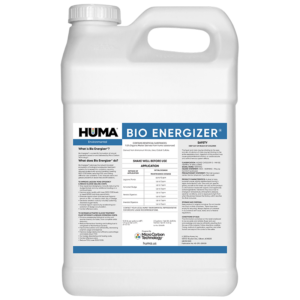
Bio Energizer
Huma® Bio Energizer® is a formulation of complexing agents, organic acids, natural biological stimulants, buffers, nutrients, and energy systems that balance...
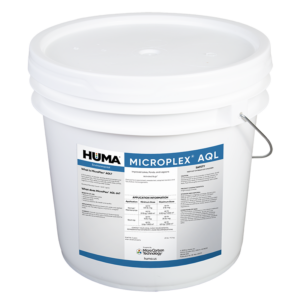
MicroPlex® AQL
Huma® MicroPlex® AQL is a formulation of aerobic and facultative bacteria and flocculant aids. The microorganisms are specifically chosen for their ability...
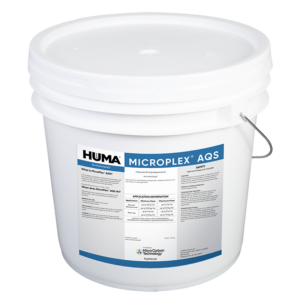
MicroPlex® AQS
Huma® MicroPlex® AQS is a formulation of aerobic and facultative bacteria and flocculant aids. The microorganisms are specifically chosen for their ability...