
OM NITRO
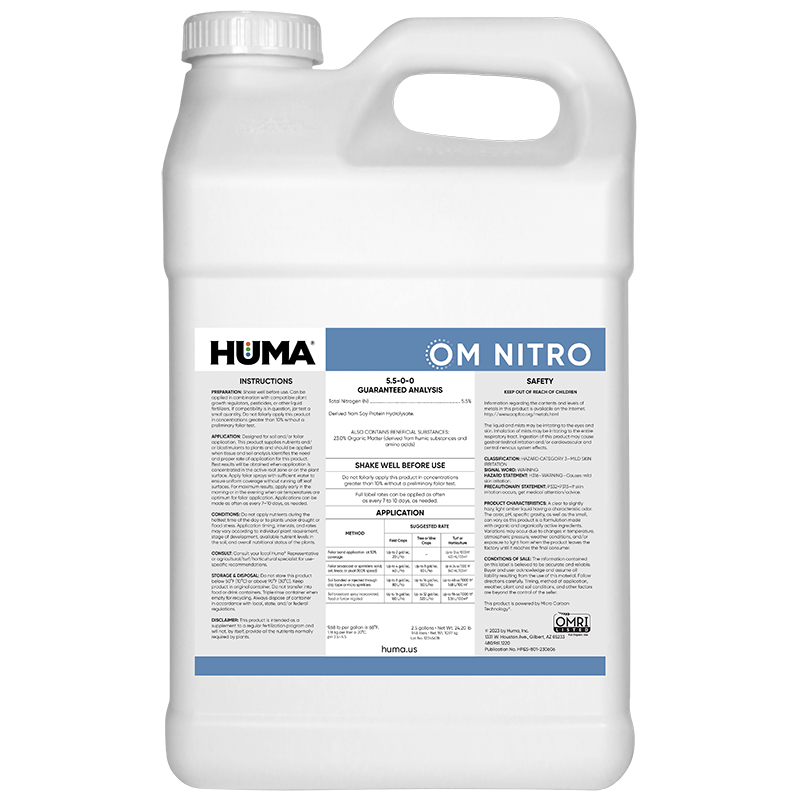
Benefits of Use:
- Provides quick crop response and can be applied just prior to crop need
- Can be applied foliarly (according to label directions) without risk of phytotoxicity
- Resists nitrogen leaching and volatilization to remain stable and available to plant roots
- Moves with irrigation water to aid in proper placement
- Can be effectively tank-mixed with other organic crop inputs
FAQs
Related Products
X-TEND OM
OMRI-Listed® X-TEND® OM is an excellent organic source of Micro Carbon Technology®, formulated with organic acids and nutrients to improve...
FERTIL SOIL
Huma's FERTIL SOIL® is carbon-complexed with Micro Carbon Technology® improves soil structure and feeds the beneficial bacteria activity in the...
TURFPLEX IV
Huma's TURFPLEX® IV is a well-rounded formulation of complexed macro and micronutrients designed to promote lush, green growth in turf...
Related Case Studies

Huma® Program Increases Sweet Potato Yields 39%, With a 10:1 ROI
Objective This field trial was conducted in order to compare sweet potato crop yields and return on investment (ROI) obtained when a Huma® soil product (Zap®, for feeding soil biology and improving soil fertility) and 2 applications of 3 Huma® foliar nutrients (Jackpot®, Calcium, and Super Potassium®) were applied in various combinations. Materials & Methods
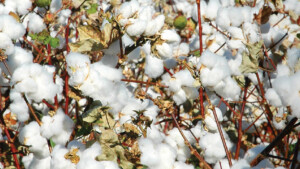
Super Potassium on Cotton
Background: Farmers who try to supply K2O needs on the farm don’t have too many options to get K into the plant, especially in deficient soils. A typical application is KCl which contains an excess amount of Chloride which may not be beneficial to the plant and soil microbes. Huma’s Micro Carbon Technology® based Super

Huma® OM Soil Activator Increases Corn Yield 19%, With 240% ROI
Background In an earlier in-house research project, it was observed that OM Soil Activator (formerly known as Fertilgold® Soil) caused plants to grow better and improve soil characteristics. The product was then released for field trial status. Objective The focus of this study was to observe if Huma® OM Soil Activator, an OMRI-Listed product for



Related Blog Posts

10 Fertilizer Facts for Global Fertilizer Day 2022
Every year, October 13 is marked as Global Fertilizer Day to highlight the significance and acknowledge the contribution of the fertilizer industry in feeding the world’s growing populations. This annual international awareness campaign is supported by fertilizer associations and companies across the world with the shared purpose of highlighting the social, economic, and environmental impact
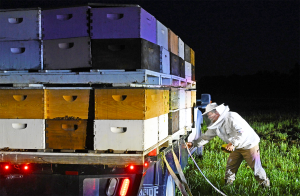
This Week in Ag #38
When you’re carving your Halloween pumpkins this week, be sure to thank a bee. That’s because pumpkins are not self-pollinating plants. Unlike cotton and soybeans, where pollen produced within a flower fertilizes the ovary of the same flower on the same plant, pumpkins have specific male and female flowers across their vines. So they need bees to carry pollen between the flowers. Pumpkin growers will rent bee colonies during the growing season to ensure better pollination and higher yields.

Jason Garcia on Commercial Vegetable Growing with Huma Gro®
With Larry Cooper Vegetable growers in Central Florida are preparing to get their beds ready for planting, so here’s my guide to how Huma Gro® can help growers get their best vegetable crops ever. Bed Preparation It’s become a pretty standard practice for Florida vegetable growers to fumigate their fields, then put down plastic and