
KLEENUP (HE)

Benefits of Use:
- Aids in breakdown of chemical and petroleum contaminants in soil
- Aids in detoxification of plants from chemical residues
- Stimulates root growth
Treats the Following Problems—When to Apply:
- Chemical or toxic compound contamination
- Residue from pesticides or herbicides
- Petroleum-based spills or leaks (oil, hydraulic fluid, etc.)
FAQs
Related Products
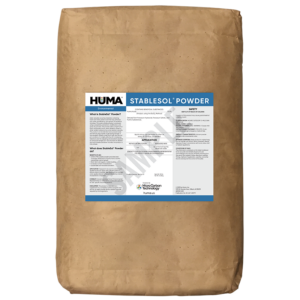
STABLESOL POWDER (HE)
STABLESOL® POWDER is a water soluble powder produced using a proprietary extraction, modification, and spray dry process. This process yields a...
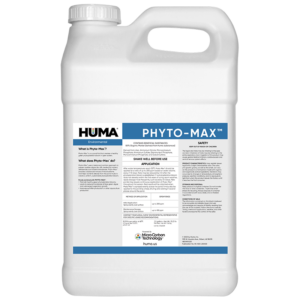
Phyto-Max
Huma® Phyto-Max™ is a nutrient complex that creates a healthy green phytoplankton bloom in open water systems. Phyto-Max™ uses a...
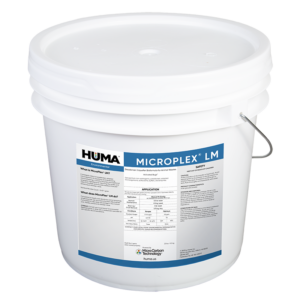
MICROPLEX LM
Huma's MICROPLEX® LM is a synergistic blend of preselected, adapted microorganisms for liquefying and deodorizing animal droppings. MICROPLEX LM contains enzymes and...
Related Case Studies

Bio Energizer® Reduces Sludge at Small N.M. Municipal Facility
Problem A small town in New Mexico (pop. 1,300) had a municipal wastewater system with a flow rate of 50,000 gallons per day. The system included a series of three lagoons that tapered to a depth of 13 feet. Pond 1 had an average sludge depth of 1.9 feet, Pond 2 averaged 3.5 feet, and
Bio Energizer® Reduces Sludge at Small Municipal Facility
Problem A small town in Utah (pop. 1,800) had a municipal wastewater system with a flow rate of 192,000 gallons per day. The system included a series of four lagoons that tapered to a depth of 6 feet, although at this time only Ponds 1 and 2 were being evaluated for treatment as they were
Bio Energizer® Reduces Sludge 45% In One Year, Saves Municipal Plant $6 M In Dredging Costs
Summary In this study, a one-year bioremediation plan featuring Bio Energizer® was implemented for a municipal wastewater treatment facility with 2 primary lagoons in which sludge depths had reached 5–7 feet. The lagoons were at risk of upset and wastewater processing capacity was reduced. Sludge levels were measured at baseline and quarterly. Sludge depth was
Related Blog Posts

Recycled Sewage: What Are We Putting on Our Farmland?
By Jael Batty Sewage sludge is a controversial input for farmers to use. Considering the toxins in today’s wastewater, are our treatments and regulations effective in eliminating micropollutants from sludge?

Breaking Down COD
By Heather Jennings, PE When I first came into the water field in the 2000s, the general rule of Chemical Oxygen Demand to Biochemical Oxygen Demand (or COD to BOD5) was 2:1. That was pretty much all you needed to know in order to understand whether something could be treated chemically, physically, or biologically. Now, the wastewater industry has moved toward COD instead of BOD5. The reason that COD is
Let’s Talk Nutrients for a Minute
by Heather Jennings, PE Generally, in the wastewater industry we talk about 100 mg/L BOD to 5 mg/L Nitrogen to 1 mg/L Phosphorus. The values for nitrogen and phosphorus can be higher or lower than this, but it’s the average number that many wastewater system designs are built around. If you look a little further,