
KLEENUP (HE)

Benefits of Use:
- Aids in breakdown of chemical and petroleum contaminants in soil
- Aids in detoxification of plants from chemical residues
- Stimulates root growth
Treats the Following Problems—When to Apply:
- Chemical or toxic compound contamination
- Residue from pesticides or herbicides
- Petroleum-based spills or leaks (oil, hydraulic fluid, etc.)
FAQs
Related Case Studies

Bio Genesis® Reduces Foam and Increases Stability at Arizona Municipal Wastewater Treatment Facility
Problem A municipal wastewater treatment facility in Arizona uses an activated sludge system with 4 oxidation ditches to treat approximately 9 million gallons per day. The system frequently experiences intermittent foaming and settling issues. The operator was looking for a solution to the foaming and settling issues that would also provide operational stability throughout the
Bio Energizer® Toxicity Testing
Abstract Bio Energizer® is frequently used to facilitate bioremediation of wastewater. A study was conducted by an independent laboratory to measure possible negative effects Bio Energizer® might have on a freshwater test species (rainbow trout). Using EPA-approved methodology to evaluate Bio Energizer®, the lab administered the product at 10 ppm to a test tank and
Lagoon Study Shows Sludge Layer Biologically Active and Responsive to Reduction Using Bio Energizer®
Summary In this study, a one-year bioremediation plan was implemented for a municipal wastewater treatment facility with 2 primary lagoons that were at risk of upset and in which wastewater processing capacity was reduced due to an increased sludge layer. Specific changes in strata microbial life were tracked through ATP and DNA analysis at quarterly
Related Blog Posts

Anaerobic Digester Saves 42% In Sludge Hauling
by Heather Jennings, PE The case summary described below is an example of how our Bio Energizer® product helped reduce overall solids handling and improved supernatant clarity. It really doesn’t take much Bio Energizer® to reduce solids within your system when the microbial community is stimulated or “kicked into gear” to do their job. Typically,
Microplex® JS Jump Starts Utah Summer Camp WWTF
by Heather Jennings, PE If I had to choose a favorite of our microbial products it would have to be our Microplex® JS product. It is a two-part formulation of a live synergistic blend of natural, Class I bacteria, specifically chosen for their ability to rapidly degrade solids, fats, lipids, proteins, detergents, hydrocarbons, and other
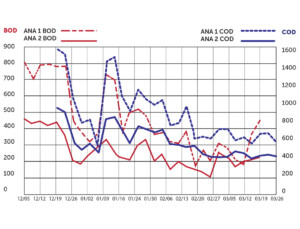
Bio Energizer® Reduces Cost and Turbidity in Paperboard Lagoons
A paper mill wastewater facility was treating 940 tons of paper bags, recycled linerboard, and corrugating medium, daily. The mill was interested in improving wastewater operating efficiency and lowering operating expenses over their standard polymer usage. The plant was experiencing filamentous bacteria, solids, and bulking issues in the final clarifier. It was discharging 4,000 pounds
Related Products
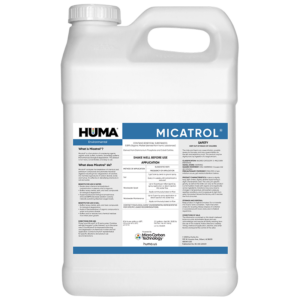
Micatrol®
Huma® Micatrol® is a formulation of complexing agents, organic acids, buffers, nutrients, and energy systems that enhance biological degradation. Micatrol® catalyzes the...
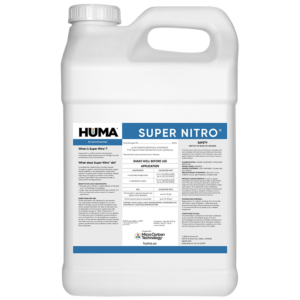
Super Nitro® (HE)
Huma® Super Nitro® is a Micro Carbon Technology® complexed, highly stable source of nitrogen for both wastewater and soil remediation. In...
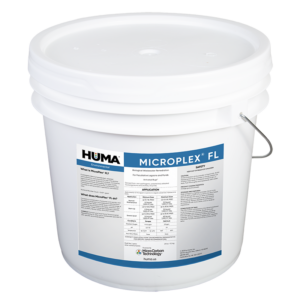
MicroPlex® FL
Huma® MicroPlex® FL is a synergistic blend of preselected, adapted microorganisms and enzymes for use in facultative lagoons and ponds receiving...