
MICROPLEX UASB
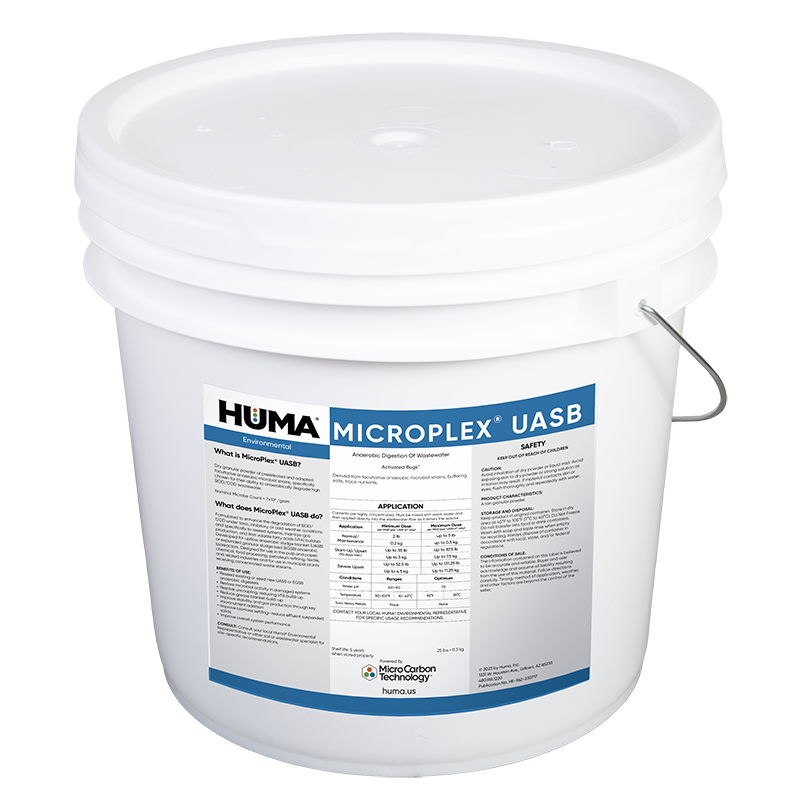
Benefits of Use:
- Reseed existing or seed new UASB or EGSB anaerobic digesters
- Restore microbial activity in damaged systems
- Resolve uncoupling, reducing VFA build-up
- Reduce grease blanket build-up
- Improve stability and gas production through key micronutrient addition
- Improve biomass settling—reduce effluent suspended solids
- Improve overall system performance
FAQs
Related Case Studies

Bio Energizer® Reduces Costs and Turbidity in Paperboard Lagoons at Kentucky Papermill Wastewater Facility
Problem A paper mill wastewater facility was treating 940 tons of paper bags, recycled linerboard, and corrugating medium, daily. The mill was interested in improving wastewater operating efficiency and lowering operating expenses over their standard polymer usage. The plant was experiencing filamentous bacteria, solids, and bulking issues in the final clarifier. It was discharging 4,000
Bio Energizer® Reduces Sludge at Small Municipal Facility
Problem A small town in Utah (pop. 1,800) had a municipal wastewater system with a flow rate of 192,000 gallons per day. The system included a series of four lagoons that tapered to a depth of 6 feet, although at this time only Ponds 1 and 2 were being evaluated for treatment as they were
Lagoon Study Shows Sludge Layer Biologically Active and Responsive to Reduction Using Bio Energizer®
Summary In this study, a one-year bioremediation plan was implemented for a municipal wastewater treatment facility with 2 primary lagoons that were at risk of upset and in which wastewater processing capacity was reduced due to an increased sludge layer. Specific changes in strata microbial life were tracked through ATP and DNA analysis at quarterly
Related Blog Posts
Bio Energizer® Reduces Cost and Turbidity in Paperboard Lagoons
A paper mill wastewater facility was treating 940 tons of paper bags, recycled linerboard, and corrugating medium, daily. The mill was interested in improving wastewater operating efficiency and lowering operating expenses over their standard polymer usage. The plant was experiencing filamentous bacteria, solids, and bulking issues in the final clarifier. It was discharging 4,000 pounds

Your Wastewater System Runs Smoothly, Until It Doesn’t!
By Heather Jennings, PE The first thing I usually hear from operators is that they don’t have any problems! Everything runs perfectly, all the time, until it doesn’t. Then the heartburn, extra hours, and long days begin. The only other thing as sure as death and taxes for a wastewater system is that it will

Bio Energizer® Cuts Sludge Hauling Costs for Potato Wastewater Treatment Plant
A wastewater treatment plant in Pennsylvania was experiencing process control problems when new potato waste stream flows increased by 26%. The additional load was causing filamentous issues in the sequencing batch reactor (SBR), settlability problems, and increased sludge hauling costs. The engineer was unable to maintain the 8-foot decant level in the sequencing batch reactor
Related Products
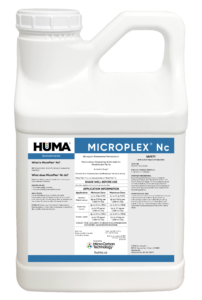
MICROPLEX N/Nc
Huma's MICROPLEX® N is a liquid suspension of preselected and adapted Nitrosomonas and Nitrobacter microbial strains, specifically chosen for their ability...
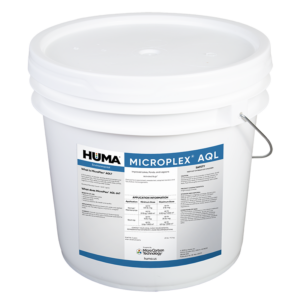
MicroPlex® AQL
Huma® MicroPlex® AQL is a formulation of aerobic and facultative bacteria and flocculant aids. The microorganisms are specifically chosen for their ability...
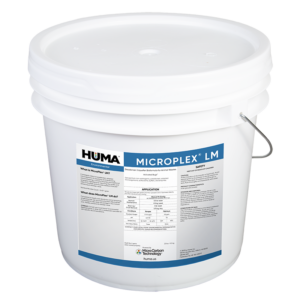
MICROPLEX LM
Huma's MICROPLEX® LM is a synergistic blend of preselected, adapted microorganisms for liquefying and deodorizing animal droppings. MICROPLEX LM contains enzymes and...