FAQs
Related Case Studies

Super Phos® Lowers Papermill Operating Costs in China
Problem The existing wastewater treatment system uses 600 kg/day of diammonium phosphate (DAP) to provide the needed phosphorus concentration to maintain a healthy microbial population to treat wastewater. These microorganisms break down the organic matter being discharged from the paper processing facility. Without the correct concentration of available phosphorus, the microorganisms are unable to grow
Lagoon Study Shows Sludge Layer Biologically Active and Responsive to Reduction Using Bio Energizer®
Summary In this study, a one-year bioremediation plan was implemented for a municipal wastewater treatment facility with 2 primary lagoons that were at risk of upset and in which wastewater processing capacity was reduced due to an increased sludge layer. Specific changes in strata microbial life were tracked through ATP and DNA analysis at quarterly
Bio Energizer® Reduces Sludge at Small N.M. Municipal Facility
Problem A small town in New Mexico (pop. 1,300) had a municipal wastewater system with a flow rate of 50,000 gallons per day. The system included a series of three lagoons that tapered to a depth of 13 feet. Pond 1 had an average sludge depth of 1.9 feet, Pond 2 averaged 3.5 feet, and
Related Blog Posts
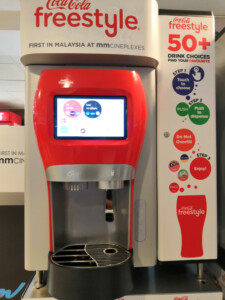
Bargaining for Clean Water: Why Dean Kamen Invented the Coca-Cola Freestyle
By Jael Batty When Kamen asked Coke for help distributing his water purifier, Coke challenged Kamen to develop a better soda fountain first. Dean Kamen, Inventor of Medical Technology The inventor of the Segway, Dean Kamen is known in the scientific community for developing medical equipment. His inventions include a wearable prescription pump for insulin

Microplex® JS Jump Starts Utah Summer Camp WWTF
by Heather Jennings, PE If I had to choose a favorite of our microbial products it would have to be our Microplex® JS product. It is a two-part formulation of a live synergistic blend of natural, Class I bacteria, specifically chosen for their ability to rapidly degrade solids, fats, lipids, proteins, detergents, hydrocarbons, and other
Nitrification 101
By Heather Jennings, PE Today we are going to focus on nitrifiers, those wastewater treatment autotrophs that get energy from oxidizing ammonia. (Autotrophs are microorganisms that produce complex organic compounds using inorganic carbon from simple substances as a food source.) Oxidizing ammonia is a fancy way of saying ripping off hydrogens to stick oxygens onto
Related Products
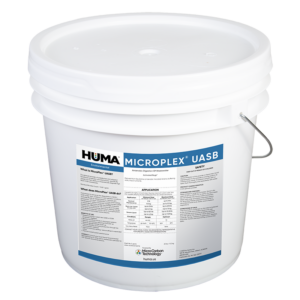
MICROPLEX UASB
Huma's MICROPLEX® UASB is a dry granular powder of preselected and adapted facultative anaerobic microbial strains, specifically chosen for their...
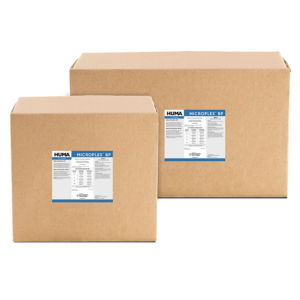
MicroPlex® BP
Huma® MicroPlex® BP comes in rugged, submersible solid forms (cakes) that slowly dissolve in a flow stream and release safe, naturally...
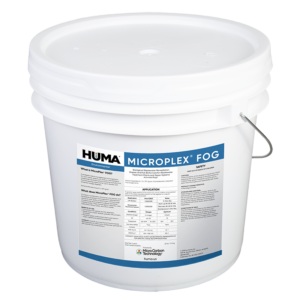
MICROPLEX FOG
Huma's MICROPLEX® FOG is a synergistic blend of preselected microorganisms for use in sewer systems, lift stations, and biological wastewater treatment plants...