
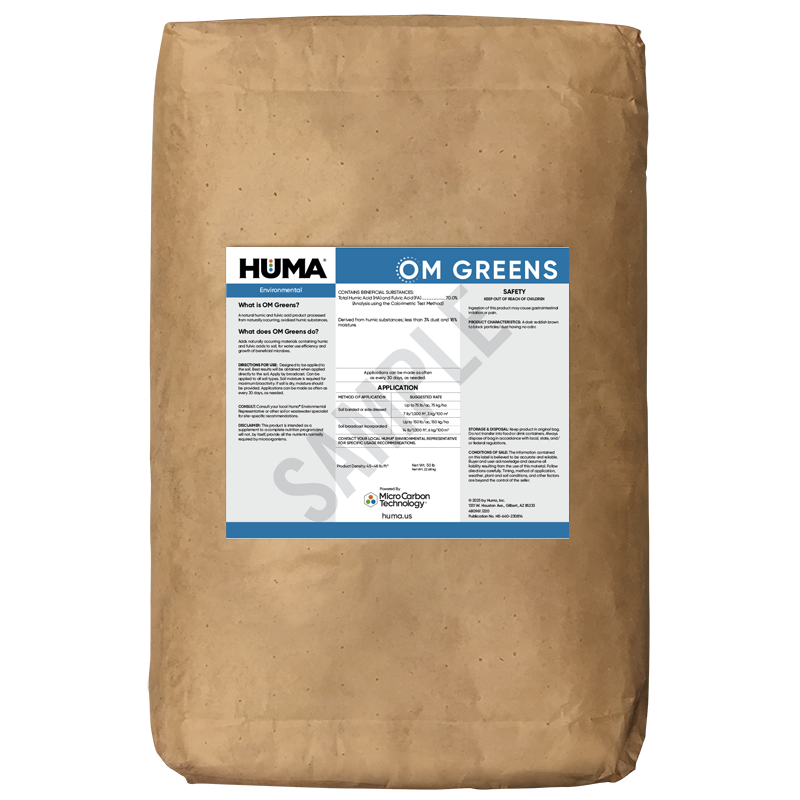
OM GREENS (HE)
Benefits of Use:
- Uniform granular size promotes even coverage/distribution of humic/fulvic acid for sustainable carbon benefit
- Long-term soil organic-matter building
- Increased water penetration
- Increased flocculation of clays
- Promotes conversion of fertilizer into plant-available food
- Increases soil nutrient mineralization
- Sustainable soil microbial activation
FAQs
Related Case Studies

Super Phos® Lowers Papermill Operating Costs in China
Problem The existing wastewater treatment system uses 600 kg/day of diammonium phosphate (DAP) to provide the needed phosphorus concentration to maintain a healthy microbial population to treat wastewater. These microorganisms break down the organic matter being discharged from the paper processing facility. Without the correct concentration of available phosphorus, the microorganisms are unable to grow
Bio Energizer® Reduces Sludge at Small N.M. Municipal Facility
Problem A small town in New Mexico (pop. 1,300) had a municipal wastewater system with a flow rate of 50,000 gallons per day. The system included a series of three lagoons that tapered to a depth of 13 feet. Pond 1 had an average sludge depth of 1.9 feet, Pond 2 averaged 3.5 feet, and
Bio Energizer® Reduces Sludge 45% In One Year, Saves Municipal Plant $6 M In Dredging Costs
Summary In this study, a one-year bioremediation plan featuring Bio Energizer® was implemented for a municipal wastewater treatment facility with 2 primary lagoons in which sludge depths had reached 5–7 feet. The lagoons were at risk of upset and wastewater processing capacity was reduced. Sludge levels were measured at baseline and quarterly. Sludge depth was
Related Blog Posts

Bio Energizer® Cuts Sludge Hauling Costs for Potato Wastewater Treatment Plant
A wastewater treatment plant in Pennsylvania was experiencing process control problems when new potato waste stream flows increased by 26%. The additional load was causing filamentous issues in the sequencing batch reactor (SBR), settlability problems, and increased sludge hauling costs. The engineer was unable to maintain the 8-foot decant level in the sequencing batch reactor

Microplex® JS Jump Starts Utah Summer Camp WWTF
by Heather Jennings, PE If I had to choose a favorite of our microbial products it would have to be our Microplex® JS product. It is a two-part formulation of a live synergistic blend of natural, Class I bacteria, specifically chosen for their ability to rapidly degrade solids, fats, lipids, proteins, detergents, hydrocarbons, and other

PS Article Published in Tri-State Seminar Proceedings
An article by Heather Jennings, PE, Director of Probiotic Solutions®, has been published in Tri-State Seminars Magazine, the proceedings of the 36th Annual Tri-State Seminar, held on August 9–12, 2021, in Las Vegas, Nev. Ms. Jennings was a featured presenter at the seminar, which provides training and certification classes to educate water professionals from Arizona,
Related Products
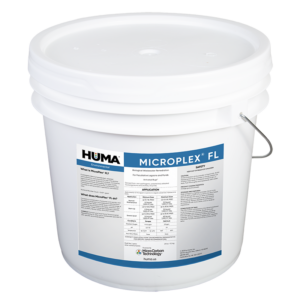
MicroPlex® FL
Huma® MicroPlex® FL is a synergistic blend of preselected, adapted microorganisms and enzymes for use in facultative lagoons and ponds receiving...
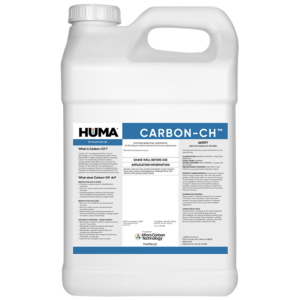
Carbon-CH™
The Solution for Denitrification and Phosphorus Removal In Wastewater and Contaminated Soils Huma® Carbon-CH™ complexed with Micro Carbon Technology® is an activated...
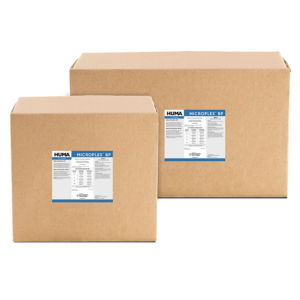
MicroPlex® BP
Huma® MicroPlex® BP comes in rugged, submersible solid forms (cakes) that slowly dissolve in a flow stream and release safe, naturally...