
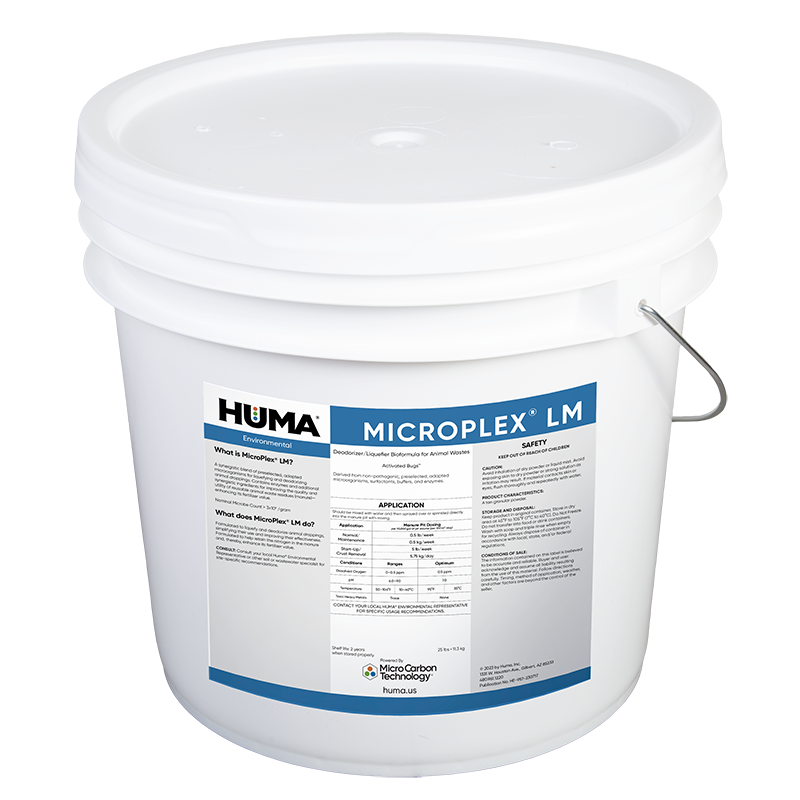
MICROPLEX LM
Benefits of Use:
- MicroPlex® LM should be mixed with water and then sprayed over or sprinkled directly into the manure pit with mixing, or poured directly into the flow of water entering the lagoon.
- To break up a crust on a pit, use Crust Removal Application amount once per week, two weeks prior to pumping, and agitate the pit after each application.
FAQs
Related Case Studies

Bio Genesis® Reduces Foam and Increases Stability at Arizona Municipal Wastewater Treatment Facility
Problem A municipal wastewater treatment facility in Arizona uses an activated sludge system with 4 oxidation ditches to treat approximately 9 million gallons per day. The system frequently experiences intermittent foaming and settling issues. The operator was looking for a solution to the foaming and settling issues that would also provide operational stability throughout the
Bio Energizer® Toxicity Testing
Abstract Bio Energizer® is frequently used to facilitate bioremediation of wastewater. A study was conducted by an independent laboratory to measure possible negative effects Bio Energizer® might have on a freshwater test species (rainbow trout). Using EPA-approved methodology to evaluate Bio Energizer®, the lab administered the product at 10 ppm to a test tank and
Bio Energizer® Reduces Sludge 45% In One Year, Saves Municipal Plant $6 M In Dredging Costs
Summary In this study, a one-year bioremediation plan featuring Bio Energizer® was implemented for a municipal wastewater treatment facility with 2 primary lagoons in which sludge depths had reached 5–7 feet. The lagoons were at risk of upset and wastewater processing capacity was reduced. Sludge levels were measured at baseline and quarterly. Sludge depth was
Related Blog Posts

Video: BHN Company Values
In this 4-minute video, BHN President/CEO Lyndon Smith speaks with us about BHN’s Company Values—Integrity, Win-Win-Win, Proactive Innovation, Relentless Pursuit of Excellence—and their impact on how we conduct business, treat our customers, and benefit the world.
Use of Biostimulants for Upset Recovery in Paper Mill Wastewater Systems
By Heather Jennings, PE Two specific Probiotic Solutions® liquid bioremediation products were used at a large-scale paper mill in China to address system upsets caused by hydraulic loading from new upstream processes. The products involved are Bio Energizer® (BE)—a scientific formulation of organic acids, buffers, natural biological stimulants, micronutrients, and energy systems—and Micatrol® (MT), a
Anaerobic Digester Saves 42% In Sludge Hauling
by Heather Jennings, PE The case summary described below is an example of how our Bio Energizer® product helped reduce overall solids handling and improved supernatant clarity. It really doesn’t take much Bio Energizer® to reduce solids within your system when the microbial community is stimulated or “kicked into gear” to do their job. Typically,
Related Products
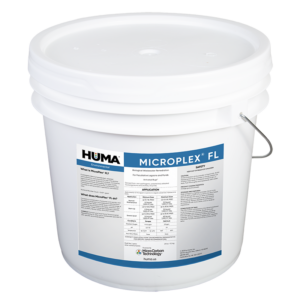
MicroPlex® FL
Huma® MicroPlex® FL is a synergistic blend of preselected, adapted microorganisms and enzymes for use in facultative lagoons and ponds receiving...
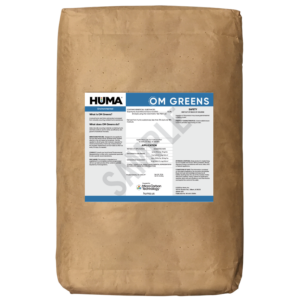
OM GREENS (HE)
Huma® OM Greens is a natural humic and fulvic acid product processed from naturally occurring, oxidized humic substances. It provides...
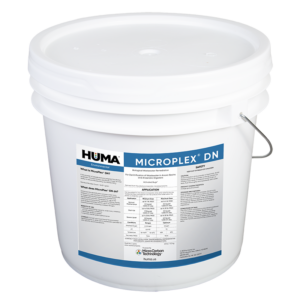
MicroPlex® DN
Huma® MicroPlex® DN is a dry powder of preselected and adapted facultative anaerobic microbial strains, specifically chosen for their ability to...