
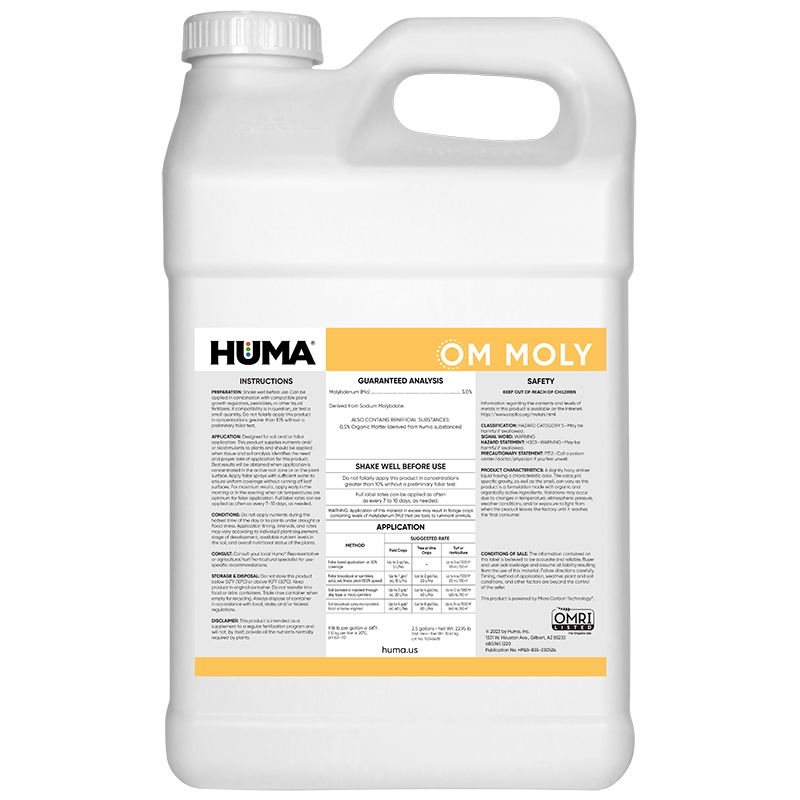
OM MOLY
Benefits of Use:
- Effectively treats molybdenum deficiency symptoms
- Essential for nitrogen fixation
- Is a co-enzyme necessary to transform nitrogen to amino acids for protein synthesis
- Is essential for the functions of symbiotic nitrogen-fixing bacteria
- Provides quick crop response and can be applied just prior to actual crop need
- Can be applied foliarly (according to label directions) without risk of phytotoxicity
- Can be effectively tank-mixed with other organic crop inputs
Deficiency Symptoms—When to Apply:
- Plant/soil is molybdenum deficient
- In young plants, stunted growth and yellowish-green leaves
- In older leaves, light green followed by yellowing and drying or shedding
- Shoots short, thin; growth upright and spindly; flowering reduced
FAQs
Related Case Studies

PROUD 3 Fungicide Replacement
Background Huma® fungicide programs with Micro Carbon Technology® provide growers with effective options that can replace synthetic fungicides with a more sustainable and environmentally friendly approach, while providing excellent control and improving crop health, yield and quality. Objective The focus of this study was to assess if 2 of Huma’s products CROP-GARD® (Growth Manager) and

Huma® Products on Sugar Cane Result in 14x Less P and 32x Less K Required, Plus Increased Yield and Net Return
Background Humates and plant growth stimulators can positively influence a crop such as sugar cane to produce a higher yield. Objective The focus of this study was to observe how fall application of Huma® products Fertil Soil®, a source of soil nutrients and humates, and Breakout®, which stimulates growth, would affect sugar cane production. The
Huma® Zap® Improves Corn Yield by 8.3 bu/A, With 10% ROI
Background Application of Zap® to soils in combination with other Huma® fertilizers at various locations previously resulted in crops with improved plant growth and higher yields. Applying Zap® with grower standard products or as a single product application to soil and plants could also impact results. Objective The focus of this study was to observe





Related Blog Posts

This Week in Ag #46
A new year brings new hope and new predictions. Gazing into my crystal ball, here’s what’s taking shape in 2024: “Just in time” fertilizer application will continue. Granted, I still saw lots of knife-marked farm fields across Illinois while I was home for the holidays. But the practice of applying nutrients exactly when they are

1996: The Year Farming Changed Forever
Michael Jordan dominated the court, Friends topped TV ratings, and Tiger Woods was about to change golf. But in agriculture, 1996 marked an even bigger turning point. From GPS yield mapping and Bt corn to Roundup Ready soybeans and the Freedom to Farm Act, discover how one year transformed farming forever.
Univ. of Calif.: Huma Gro® Increases Strawberry Yields 30%
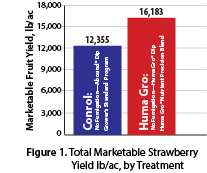
Huma Gro® Ultra-Precision™ Blend Plus Root Dip Increases Strawberry Yields 30%, Univ. of Calif. Conducted by: Surendra K. Dara, PhD, University of California Huma Gro® Products: Ultra-Precision™ Blend; plus root dip of Breakout®, Promax®, Vitol®, and Zap® OBJECTIVE The purpose of this research project was to evaluate how a special blend of fertilizer solution and
Related Products
SUPER NITRO
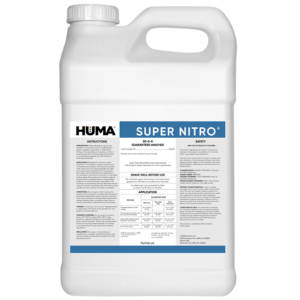
SUPER NITRO®, carbon-complexed with Micro Carbon Technology®, is a nitrogen source that can be foliar-applied, according to label directions, without...
MicroHumic OM
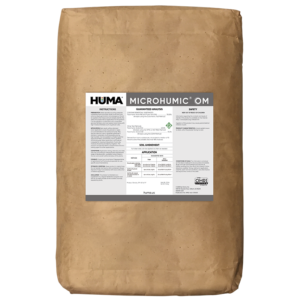
The Organic Solution for Stimulating Seeds, Soil, and Crops OMRI-Listed as both a soil amendment and as a seed treatment,...
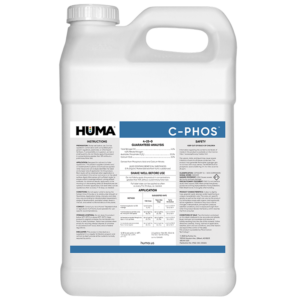
C-PHOS
C-PHOS™, carbon-complexed with Micro Carbon Technology®, nourishes crops and corrects calcium and phosphorus deficiencies in a uniquely clear and stable...