
FAQs
Related Videos
Huma Gro Fumigation Replacement Program for Strawberry Growers
This case study conducted by Pacific Ag Research in Arroyo Grande, Calif. on Portola Strawberries shows that using Huma Gro biopesticide and fertilizers without additional soil fumigation leads to a much higher strawberry yield.
Learn More
All Things Strawberry (Part 2): The Huma Gro Farmer podcast (video)
In Episode 2 of The Huma Gro Farmer podcast, we discuss All Things Strawberry (Part 2) from bud initiation to post-harvest with our strawberry experts: Huma Gro Senior Director of U.S. Domestic Sales Doug Greer,
Learn More
All Things Strawberry (Part 1): The Huma Gro Farmer podcast (video)
In Episode 1, we discuss All Things Strawberry from pre-plant to transplant with our strawberry experts: Huma Gro Senior Director of U.S. Domestic Sales Doug Greer, Eastern Sales Manager and Agronomist Barrett Smith, Florida Regional
Learn More
Related Case Studies

Bio Genesis® Reduces Foam and Increases Stability at Arizona Municipal Wastewater Treatment Facility
Problem A municipal wastewater treatment facility in Arizona uses an activated sludge system with 4 oxidation ditches to treat approximately 9 million gallons per day. The system frequently experiences intermittent foaming and settling issues. The operator was looking for a solution to the foaming and settling issues that would also provide operational stability throughout the
Bio Energizer® Reduces Sludge 45% In One Year, Saves Municipal Plant $6 M In Dredging Costs
Summary In this study, a one-year bioremediation plan featuring Bio Energizer® was implemented for a municipal wastewater treatment facility with 2 primary lagoons in which sludge depths had reached 5–7 feet. The lagoons were at risk of upset and wastewater processing capacity was reduced. Sludge levels were measured at baseline and quarterly. Sludge depth was
Bio Energizer® Reduces Sludge at Small N.M. Municipal Facility
Problem A small town in New Mexico (pop. 1,300) had a municipal wastewater system with a flow rate of 50,000 gallons per day. The system included a series of three lagoons that tapered to a depth of 13 feet. Pond 1 had an average sludge depth of 1.9 feet, Pond 2 averaged 3.5 feet, and
Related Blog Posts

Healthy Bacteria Are Vital to Wastewater Treatment
Bacteria break down organic material in wastewater and form the floc that settles and separates solids from liquids. Controlling F/M ratio–a vital component to creating a favorable environment for wastewater bacteria–can be accomplished through the use of bioremedial products.

New Video: 8 Essential Products for Wastewater Bioremediation
n this video, Heather Jennings, PE, Director of Probiotic Solutions®, provides an introduction to 8 essential products for wastewater bioremediation.
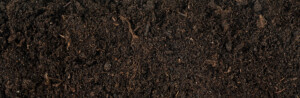
Biological Remediation of Crude Oil Contaminated Soil
A bioremediation pilot project in Texas successfully treated highly saturated crude oil–oil-contaminated soils using Huma® products. Within 30 days, total petroleum hydrocarbons (TPH) dropped from 75,000 ppm to below 10,000 ppm, demonstrating the effectiveness of probiotic technology in transforming toxic tank bottom materials into manageable, biologically active soil.
Related Products
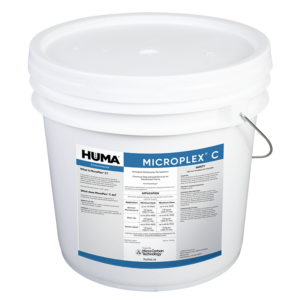
MicroPlex® C
Huma® MicroPlex® C is a formulation of aerobic and facultative bacteria, specifically chosen for their ability to rapidly degrade difficult to...
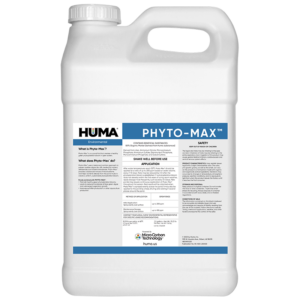
Phyto-Max
Huma® Phyto-Max™ is a nutrient complex that creates a healthy green phytoplankton bloom in open water systems. Phyto-Max™ uses a...
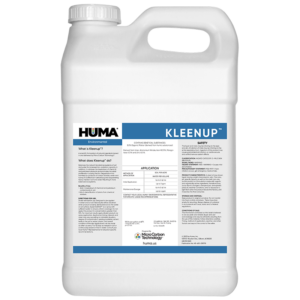
KLEENUP (HE)
Huma® Kleenup™ is a nutrient and soil surfactant formulation with Micro Carbon Technology® that creates a favorable soil environment, improves aeration,...